• Sri Sri Mayer Katha by Swami Shukadevananda

    Ramakrishna Mission Saradapitha - Mayermandir saradapitha, Howrah, West Bengal, India

    An exposition on "The Gospel of the Holy Mother" (Sri Sri Mayer Katha) in Bengali by Swami Shukadevananda, Revered Secretary Maharaj of Ramakrishna Mission Saradapitha, Belur Math.  

  • Ramacharitamanas by Swami Purnajnanananda

    Ramakrishna Mission Saradapitha - Mayermandir saradapitha, Howrah, West Bengal, India

    Ramcharitmanas (Devanagari: रामचरितमानस rāmacaritamānasa), is an epic poem in the Awadhi language, composed by the 16th-century Indian bhakti poet Tulsidas (c. 1511–1623). It has many inspirations, the primary being the Ramayana of Valmiki. This work is also called, in popular parlance, Tulsi Ramayana, Tulsikrit Ramayana, Tulsidas Ramayana or simply Manas. The word Ramcharitmanas literally means

  • Sat Katha by Revered Swami Divyananda ji Maharaj

    Ramakrishna Mission Saradapitha - Mayermandir saradapitha, Howrah, West Bengal, India

    Swami Divyananda ji Maharaj is the Vice-President of worldwide Ramakrishna Math and Ramakrishna Mission. Swami Divyananda ji joined Ramakrishna Mission in 1972. He did his post-graduation in physics and served Ramakrishna Mission Vidyamandira, Belur Math as a Vice Principal and Vivekananda Centenary College, Rahara, as a Principal. He took classes for two decades, served as

  • Kena Upanishad by Swami Atmapriyananda

    Ramakrishna Mission Saradapitha - Mayermandir saradapitha, Howrah, West Bengal, India

    Kena Upanishad is notable in its discussion of Brahman with attributes and without attributes. This Upanishad forms a part of the Talavakara or Jaimini Brahmana. Here we get the notion of the Ultimate Reality or Brahman as the origin, ground, and goal of all the manifold manifestation. It lays great stress on the unique opportunity

  • Ram Nam Sankirtanam by Monks & Brahmacharins

    Ramakrishna Mission Saradapitha - Mayermandir saradapitha, Howrah, West Bengal, India

        The singing of Ramnam Sankirtan in the centres of the Ramakrishna Order was started by none other than Swami Brahmananda. Rama's name is often chanted or sung within the many traditions of Hinduism. In Mahabharata, Shiva states that uttering "Rama" three times is equal to pronouncing the thousand other names of God. "Ram Naam Satya Hai" (transl. The

  • Ma-Nama Sankirtanam (Sri Sarada Nama Sankirtanam) by Monks & Brahmacharins

    Ramakrishna Mission Saradapitha - Mayermandir saradapitha, Howrah, West Bengal, India

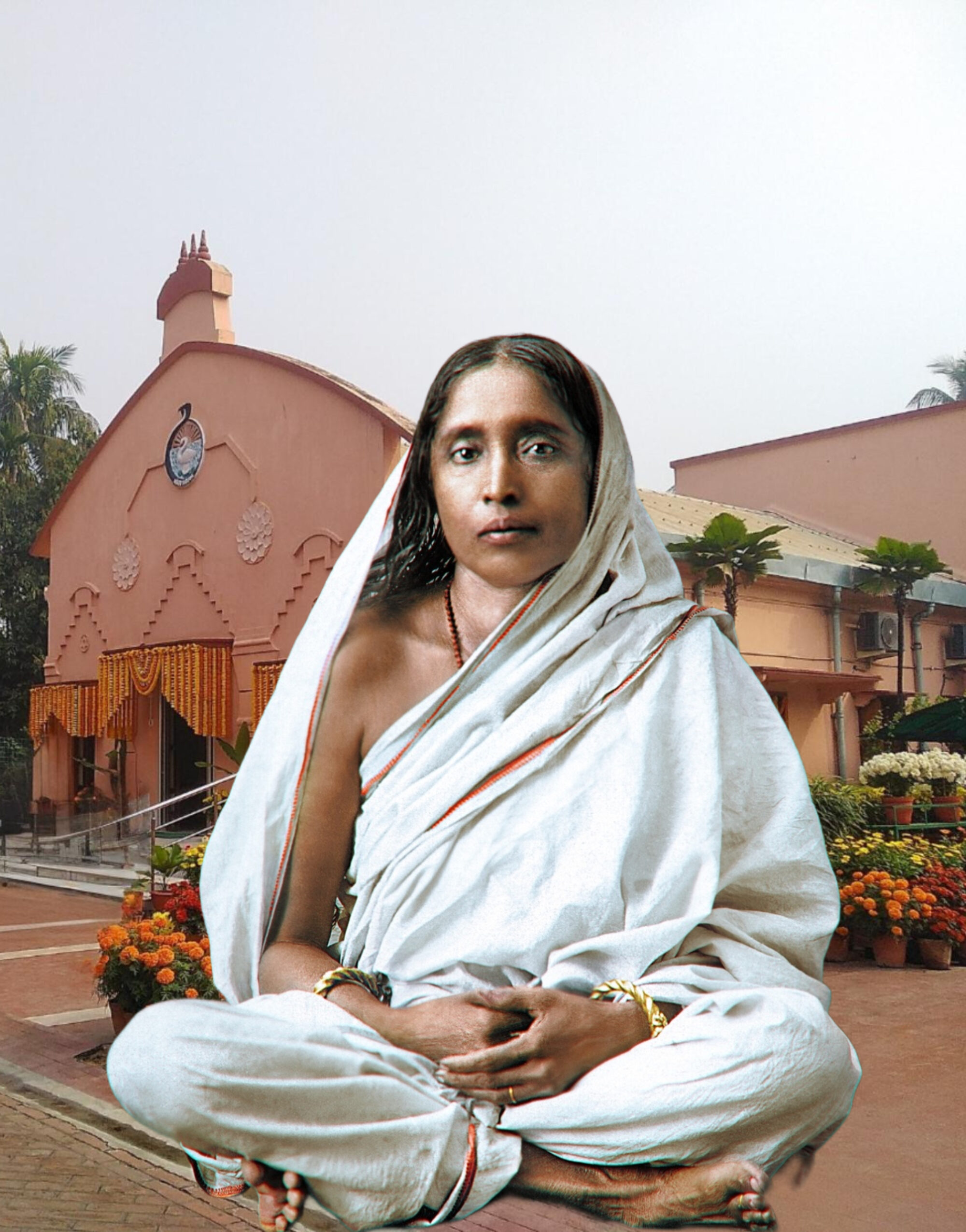
    Endearingly known as ‘Holy Mother’, Sri Sarada Devi, the spiritual consort of Sri Ramakrishna, was born on 22 December 1853 in a poor Brahmin family in Jayrambati, a village adjoining Kamarpukur in West Bengal In the history of humanity there has never been another woman who looked upon herself as the Mother of all beings, including

  • Srimad Bhagavad Gita by Swami Mahaprajnananda

    Ramakrishna Mission Saradapitha - Mayermandir saradapitha, Howrah, West Bengal, India

    The Bhagavad Gita, popularly known as the Gita, comprises eighteen chapters in the Mahabhārata. It takes the form of an inspired dialogue between Sri Krishna and Arjuna on the battle-field of Kurukshetra. The setting of the battle-field contributes a dramatic element to the book and relates religion to the realities of life. It is that

  • Swami Turiyananda’s Life by Swami Indreshananda

    Ramakrishna Mission Saradapitha - Mayermandir saradapitha, Howrah, West Bengal, India

      Swami Turiyananda (1863-1922) was a direct disciple of Sri Ramakrishna, and one of the earliest monks of the Ramakrishna Order. He was born as Harinath Chattopadhyay in a small village in present-day Bangladesh, and was attracted to spiritual life from a young age. As a young man, Turiyananda traveled to Calcutta (now Kolkata) to

  • Chaitanya Charitamrita by Swami Tattwasarananda

    Ramakrishna Mission Saradapitha - Mayermandir saradapitha, Howrah, West Bengal, India

    The Chaitanya Charitamrita (Sanskrit: चैतन्यचरितामृत, romanized: Caitanya-caritāmṛta; Bengali: চৈতন্যচরিতামৃত, romanized: Côitônyôcôritamṛtô), composed by Krishnadasa Kaviraja in c. 1557, is written in Bengali with a great number of Sanskrit verses in its devotional, poetic construction, including Shikshashtakam. It is one of the primary biographies detailing the life and teachings of Caitanya Mahāprabhu, the founder of Gaudiya

YouTube